 English

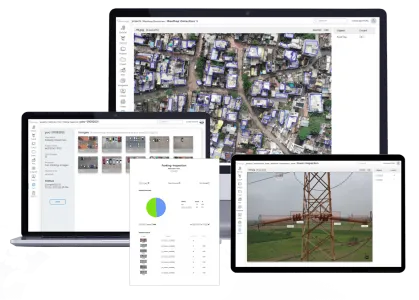

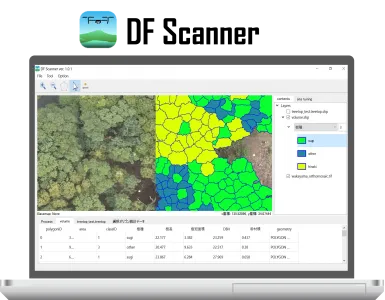

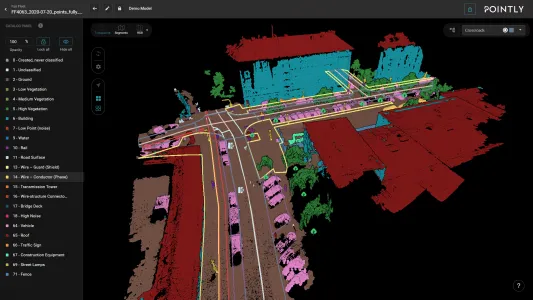

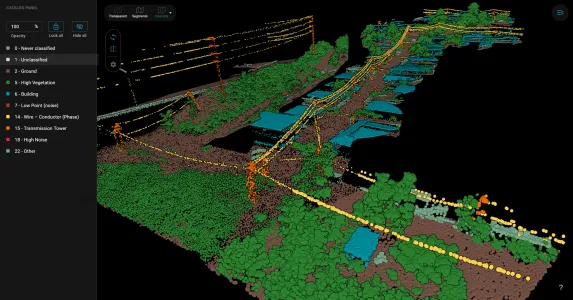


Selecting the right drone software is a strategic decision that impacts the entire operational lifecycle. Here are key considerations for professionals in the drone industry:
1. Flight Control Systems:
Look for solutions that offer real-time telemetry, advanced safety features, and a user-friendly interface. Ensure compatibility with your existing drone hardware and consider features like geo-fencing and automated flight modes for enhanced safety and efficiency.
2. Mission Planning:
A robust mission planning tool should provide detailed flight path creation, obstacle avoidance, and pre-flight simulations. Tools with multi-rotor and fixed-wing support, as well as offline planning capabilities, are invaluable for complex or remote missions.
3. Data Processing & Analytics:
Evaluate software based on its ability to process various data types (e.g., photogrammetry, LiDAR, thermal) and its integration with industry-standard GIS and CAD software. Data analytics features, such as automated object detection and change analysis, are crucial for extracting maximum value from your data.
4. Fleet & Maintenance Management:
For large-scale operations, software that offers centralized management of drone fleets, pilot logs, and maintenance schedules is essential. These platforms help maintain compliance and ensure operational readiness, while also providing valuable insights into asset utilization.
5. Mapping & Surveying Tools:
Prioritize software that can generate high-precision 2D orthomosaics, 3D models, and digital elevation maps. The ability to export data in multiple formats for seamless integration with other software is a key feature for professionals.