Camera Gimbals for Drones and UAVs

Published by:Beyond Sky
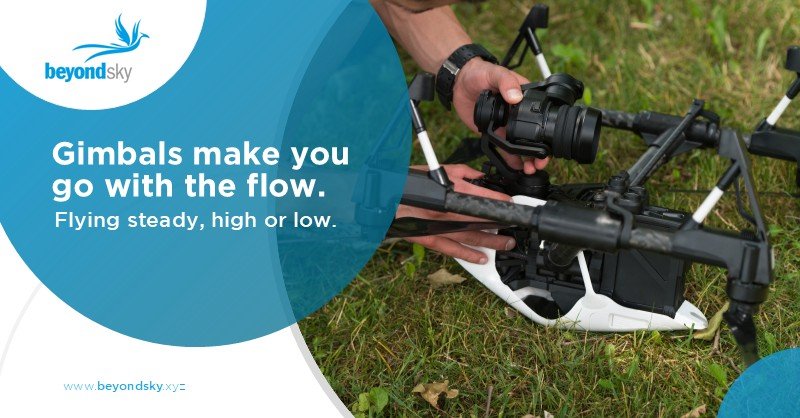
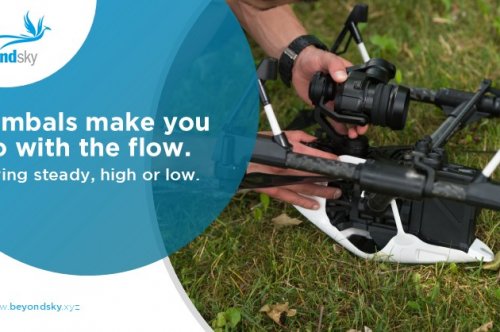
3-axis camera gimbal mounted on a professional drone

If you’ve used a drone for photography or videography, you realize how important smooth shots are. Without a good gimbal, footage looks jittery, shaky, and basically unusable. A gimbal for drones is what keeps your camera steady, no matter what the drone does.  

It’s not just a piece of hardware; it’s what bridges rough drone flight to clear, professional images. Let’s talk about what these things do, the different types, and how to pick the right one without drowning in jargon. 

What Is a Camera Gimbal?

A camera gimbal is basically a smart mount. It uses motors and sensors that detect motion and counteract it, keeping your camera steady.  

Think of it as your camera’s balance coach, tilting and rotating just right to cancel out drone movements, whether it’s a gust of wind or a sharp turn. The result? Footage that looks smooth and professional, not shaky or blurred. 

Most drone gimbals manage three directions of motion: pitch (up/down), roll (tilt side to side), and yaw (pan left/right).  

This three-axis gimbal for drones is the gold standard for aerial footage and mapping. If you’ve seen drone videos that look like they were shot from a helicopter, that’s probably thanks to a good 3-axis system. 

Types of Camera Gimbals

Here’s where choices come in, based on what you need: 

  • Single-axis gimbals: Best for simple shots, like panoramic photos, since they stabilize only one direction. 
  • Two-axis gimbals: Handle pitch and roll, so you get smoother footage flying around without crazy flips. 
  • Three-axis gimbals: Stabilize pitch, roll, and yaw. This is what professionals almost always use today, especially if video quality matters. 
  • FPV gimbal systems: Designed for the racing or freestyle pilots who want quick, responsive control. These follow the pilot’s fast moves without lag. 

Camera Gimbal Payload Technology

The payload is important. Gimbals have to support the weight and balance of the camera or sensor you attach. It could be a simple HD cam, a multispectral sensor for precision farming, or high-tech LiDAR for mapping. 

Most modern gimbals use brushless motors that give smooth, precise control without wearing out quickly. Advanced gimbals can also sync with the drone’s GPS and flight controller, triggering pictures at exact points on a mapping mission to make sure you don’t miss anything important. 

Applications of Camera Gimbals

Gimbals are everywhere drones go: 

  • Aerial Surveillance and ISR: Seeing live, steady video helps security teams and emergency responders assess situations clearly. 
  • Mapping and Surveying: Sharp, aligned photos fuel 3D models and orthomaps. A steady camera equals exact data. 
  • Broadcasting and Media: Cinematic shots need gimbals that can handle twists, turns, and rapid altitude changes while keeping the shot smooth. 
  • Industrial Inspection: When checking wind turbines or power lines, you need every detail clear. Gimbals make sure you don’t miss a crack or corrosion. 

Choosing the Right Camera Gimbal

Match your gimbal to your gear and goals: 

  • Payload capacity: Don’t guess. Ensure the gimbal handles your camera’s weight and size comfortably. 
  • Axis stabilization: Pick 3-axis if you want the best all-around stability. 
  • Compatibility: It should work smoothly with your drone’s flight software and controls. 
  • Control flexibility: Do you need manual tilt control or automated tracking? Some gimbals offer both. 
  • Weight and durability: Heavier gimbals add weight, shortening flight time, so balance is key. 
  • Extra features: GPS triggers, vibration absorption, or FPV compatibility? Consider what your missions demand. 

Camera gimbals are more than mounts. They’re the secret to turning your drone’s flight into usable, professional imagery. Whether you’re a hobbyist capturing family trips or a pro mapping terrain, the right gimbal changes everything. 

Understanding your options, single-axis to 3-axis, FPV systems, the tech inside helps you pick a gimbal that fits your drone and your mission without guesswork. When your gimbal works well, so does your drone. And that makes all the difference. 
FAQs

  1. What is a camera gimbal?
    A gimbal is a motorized mount that stabilizes a drone’s camera by counteracting its movements, keeping footage smooth and steady.​
  2. How many axes do gimbals typically control?
    Most professional drone gimbals are three-axis, controlling pitch (up/down), roll (side to side), and yaw (left/right), which ensures stable footage.​
  3. What types of gimbals are available?
  • Single-axis: stabilizes one direction, often used for simple shots. 
  • Two-axis: controls pitch and roll, better for smoother video but lacks yaw control. 
  • Three-axis: stabilizes all three motions and is preferred for high-quality aerial footage.​ 
  1. What is an FPV gimbal?
    FPV gimbals are designed for fast, responsive camera movement in racing or freestyle flying, following the pilot’s movements closely without lag.​
  2. How do gimbals handle different camera payloads?
    They use brushless motors for smooth control and are sized to support specific payload weights—from simple HD cameras to heavy multispectral or LiDAR sensors.​
  3. What advanced features can gimbals have?
    Some sync with the drone’s GPS and flight controller for precise camera triggering, vibration damping, and offer manual or automated control options.​
  4. Why is a good gimbal important?
    A solid gimbal turns shaky drone movement into professional-quality images and videos, enhancing everything from cinematic footage to precise mapping data.

Was this article helpful?