Ground Control Stations (GCS) for Drones and UAVs
Published by:Beyond Sky
 English
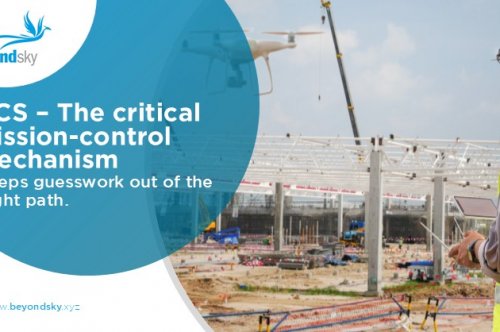
If you’re into drones, flying is only half the story. The true brain behind the scenes is the Ground Control Station for drones, often called GCS for UAVs. This is where every move gets controlled and monitored. Think of it as the drone’s command center on the ground. More than just a fancy remote, it combines hardware and software to keep everything working.
A Ground Control Station acts as the drone pilot’s seat on the ground. It lets operators plan flights, steer drones, and watch live data like GPS location, altitude, speed, battery life, and video feeds. This data displays on screens linked to joysticks, buttons, or touch inputs.
You get a virtual cockpit. Software shows live updates so pilots can decide what to do mid-flight. The GCS sends commands telling the drone where to go or when to hover. It also receives telemetry and video streams back. The connection can use radio signals or satellites for long distances.
What makes a strong GCS? Look for these:
These features keep the operator informed and ready.
GCS units differ by mobility and use.
Compact and rugged, portable GCS units suit fieldwork. They might look like tough laptops or briefcases with controls inside. They fit well for farming, construction, or site inspections. They offer strong software yet stay easy to move.
Fixed GCS sit in control rooms or buildings. Large screens and advanced hardware make them ideal for steady UAV monitoring. Military and big commercial jobs use fixed stations. They give wide views, secure links, and backup systems.
Mobile stations ride in vehicles or trailers. They mix mobility with power. Emergency teams and military use these for on-the-go UAV control. They pack full features on wheels.
GCS help in many fields:
Each field wants certain GCS features, depending on needs.
Software drives the GCS. Most offer user-friendly tools for plotting flight paths and automating missions. Open protocols like MAVLink let different drones and sensors work together. Payloads like lidar or infrared cameras feed data into the software. Some GCS even allow semi-autonomous flights with operator oversight.
Why choose a solid GCS?
Ground Control Stations aren’t just about flying. They let operators manage drone missions with control and data. Portable stations suit quick jobs. Fixed setups handle long tasks. Mobile ones bring power on the move. Anyone serious about drones needs a strong GCS. It’s the difference between guessing and flying with confidence.