Drone Product Certification: Building Buyer Confidence in Drone Technology
Published by:Beyond Sky
 English
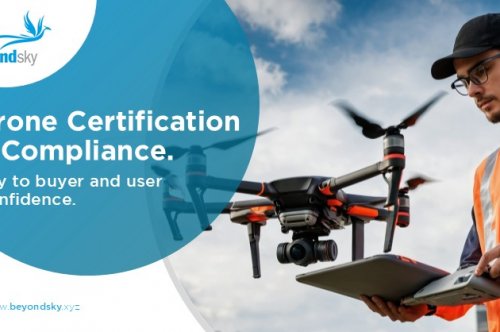
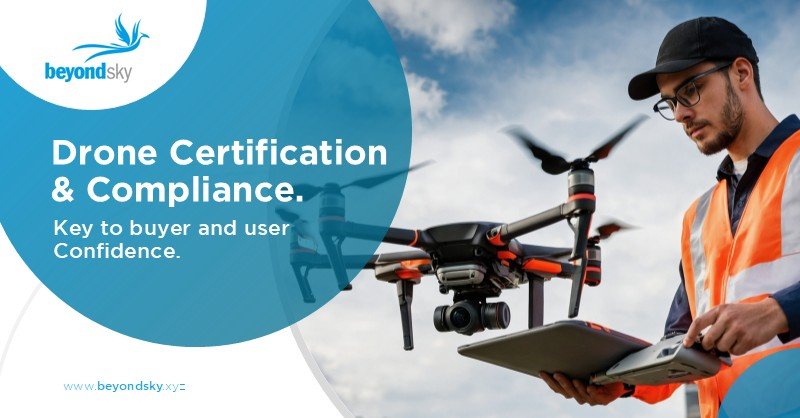
The drone market is booming. But with rapid growth comes rising buyer expectations. Customers want to know that the drones they invest in are reliable, safe, and compliant with regulations without any compromises.
That’s where drone product certification steps in. Certifications act as trust signals and regulatory guarantees, ensuring manufacturers meet clearly defined quality and safety standards.
In this blog, we explore why drone certification requirements matter, review key compliance standards, and highlight how certifications boost buyer confidence worldwide.
Whether you’re a seller aiming for CE certified drones or a buyer verifying FAA drone certification in the USA, this guide brings clarity to the path forward.
In drone tech, trust is everything. Strict drone compliance standards mean buyers get products that fly safely, respect radio frequency limits, and meet environmental rules. Without certification, drones risk being barred from markets or creating liability issues for operators.
Certifications not only protect end users but also help sellers build credibility and access international markets. A drone that displays the right marks signals it passed rigorous testing, offers peace of mind, and meets legal requirements.
This mark means a drone complies with the European Union’s health, safety, and environmental rules. If you want to sell drones in the European Economic Area, CE certified drones are mandatory.
The Federal Communications Commission ensures drones using radio frequency transmission follow national RF limits to prevent interference. Drones with WiFi, Bluetooth, or telemetry systems must obtain FCC drone certification to operate in the U.S. Without it, manufacturers cannot legally sell or market their drones.
Restriction of Hazardous Substances is pivotal for the environmentally conscious. RoHS compliance restricts harmful chemicals in drone components. This is critical for drone sellers targeting European markets prioritizing sustainable and safe electronics.
ISO 9001 focuses on quality management systems within manufacturing. ISO 21384-3 addresses operational procedures for unmanned aircraft systems, giving operators a safety and quality benchmark. Both standards promote consistency and trust in drone operations and product manufacture.
The Directorate General of Civil Aviation oversees drone approvals in India. The DGCA certification process includes prototype testing, documentation audits, and flight verification to ensure drones meet local airspace, safety, and performance norms. Indian operators rely on DGCA drone approval for legal compliance.
The FAA regulates drones under Part 107 for commercial use, requiring remote pilot certification and ensuring drones meet airworthiness standards. FAA drone certification is crucial for anyone aiming to operate drones commercially in the United States.
Recent EU rules require new drones to display classification markings, maintain remote identification, and meet strict operational guidelines. This regulation aims to harmonize drone safety across the Union and ensure integration into European airspace.
Certifications can often make or break deals. Governments, large businesses, and regulated industries rely heavily on certifications when awarding contracts. Certification acts as a clear differentiator in a crowded marketplace, signaling reliability, legal compliance, and operational readiness.
Sellers with certified drones are more likely to land partnerships in sectors like logistics, agriculture, urban development, and emergency services, where safety and regulation compliance are non-negotiable.
Getting certified is a commitment to quality:
Costs can vary widely based on drone complexity, testing scope, and markets but investing in certification pays off by opening doors and protecting your brand.
BeyondSky’s marketplace recognizes the value of compliance. Certified sellers enjoy verified status, making their products stand out and build buyer trust faster. The platform also streamlines documentation uploads, helping sellers showcase and maintain their certifications.
In a market flooded with options, drone product certification is your beacon of trust. Meeting drone certification requirements and aligning with compliance standards worldwide isn’t just regulation, it’s good business.
In short, certifications build the confidence that keeps buyers coming back and drives drone technology forward.