Digital Twin technology is rapidly changing how industries design, monitor, and optimize operations. At its core, a digital twin is a living, virtual copy of a real-world asset, system, or process.
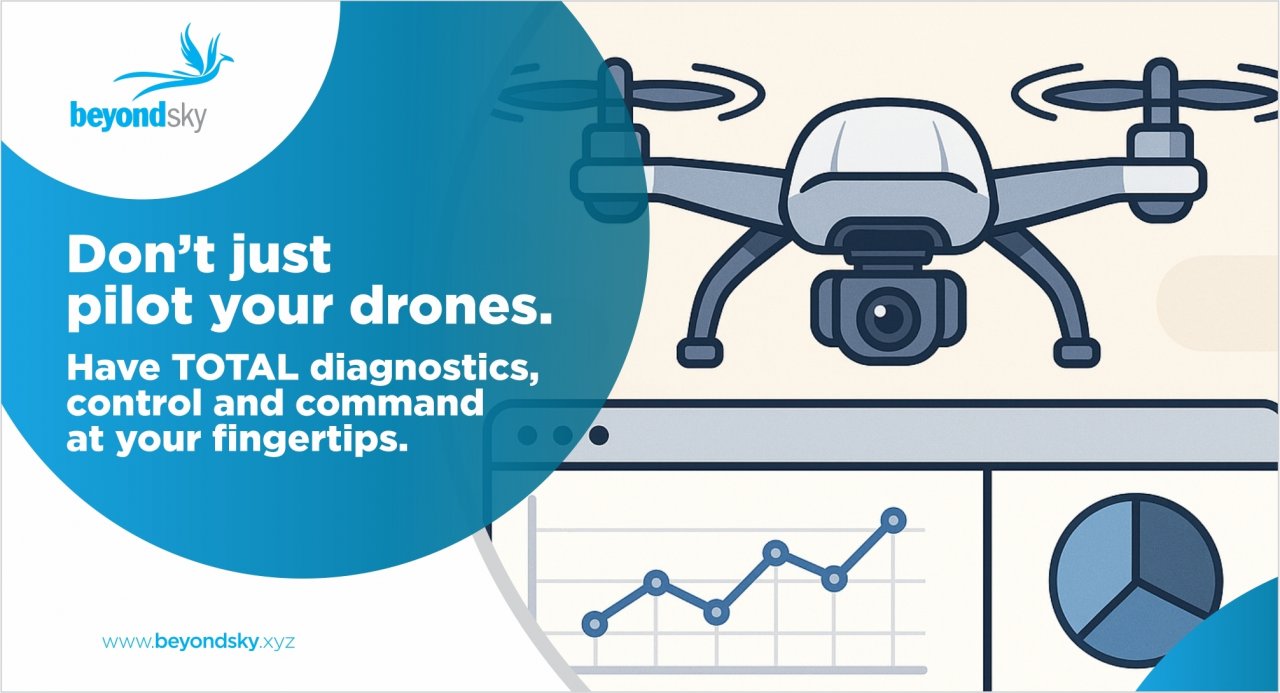
When you pair this technology with a single drone or a fleet, you get a mobile, intelligent platform that constantly gathers new data and sends it to the digital twin for instant updates, all in real time.
This combination enables quicker decision-making, sharper predictive analytics, safer work environments, and long-term cost savings.
Key Applications and Benefits
In this section, we take a closer look at how integrating digital twins with drones brings measurable improvements to everyday operations.
- Remote Infrastructure Monitoring: Drones equipped with top-tier sensors are game-changers for inspecting infrastructure. They capture the details of bridges, towers, and pipelines, and send the data directly to digital twins which create virtual models with pin point accuracy. With these virtual models, teams can monitor remote assets without ever needing to put boots on the ground in risky locations. This means fewer site visits, quicker feedback, and safer inspections.
- Real-Time Performance Tracking: When drones stream live data to a digital twin, operators can spot problems as they emerge. Small cracks, unexpected vibrations, or temperature changes are flagged instantly. This real-time feedback lets teams troubleshoot early, preventing issues before they get bigger.
- Simulation and Scenario Planning: Digital Twins allow engineers to test new designs or interventions virtually. If a wind turbine blade looks stressed in drone data, simulations on the digital twin can depict how it would handle strong winds. This virtual testing cuts down on costly trial-and-error in the field and spots problems before any physical changes are made.
- Centralized Data Management: Drone missions can generate massive amounts of data — visual images, thermal readings, and spatial mapping. Digital twins organize, store, and structure all this information in a single place, creating a unified system for operators, managers, and regulators to make data-driven decisions.
- Enhanced Visualization for Stakeholders: A digital twin’s real power comes from turning complicated sensor data into user-friendly visuals. Engineers get detailed 3D models to analyze, while non-technical stakeholders and regulators can quickly understand the status through interactive dashboards. This helps teams collaborate and make decisions together.
- Reduced Operational Risks: Sending drones instead of humans to dangerous sites like power substations or chemical plants reduces risk. The digital twin’s constantly updated model means teams have visibility into hazardous zones at all times, making accident prevention part of daily operations.
- Long-Term Cost Efficiency: Over time, digital twin technology paired with drones saves money. Less downtime, fewer emergency fixes, and longer life for equipment all add up. Upfront investments may look high, but the return is significant — giving early adopters an edge.
Predictive Analytics and Maintenance
We now explore how combining drone data with predictive models helps teams anticipate problems and enhance asset reliability.
- Proactive Maintenance Strategies: Digital twins are all about staying ahead of problems. With drones collecting live data, predictive analytics can suggest maintenance before a breakdown happens. This helps operations keep moving and stops failures in their tracks.
- Cost-Effective Resource Allocation: Some machines and assets need more attention than others. Digital twins spotlight where risks are highest and direct resources there first. This smart targeting means maintenance budgets go further and less gets wasted.
- Asset Life Extension: Environmental factors wear down assets, but digital twins track how temperature, moisture, and stress conditions impact machines over time. Operators can plan ahead, making adjustments that stretch asset lifespan.
- Safety Improvements: Drones handle many of the dangerous jobs that once put workers at risk. By analyzing drone data, digital twins map out risky zones, so teams can avoid hazards and focus their efforts where it’s safe.
- Failure Prediction Accuracy: Machine learning models working inside digital twins get better with every data point. They learn to recognize failure patterns earlier, boosting the reliability of predictions and improving accident prevention.
- Regulatory Compliance: Digital twins keep a log of every inspection, intervention, and repair. Drones help capture the evidence, and the twin keeps it organized. This makes passing audits and meeting regulatory standards straightforward.
Technology Integration
Here, the focus shifts to the technologies that underpin digital twin systems, showing how drones fit into broader, data-driven networks.
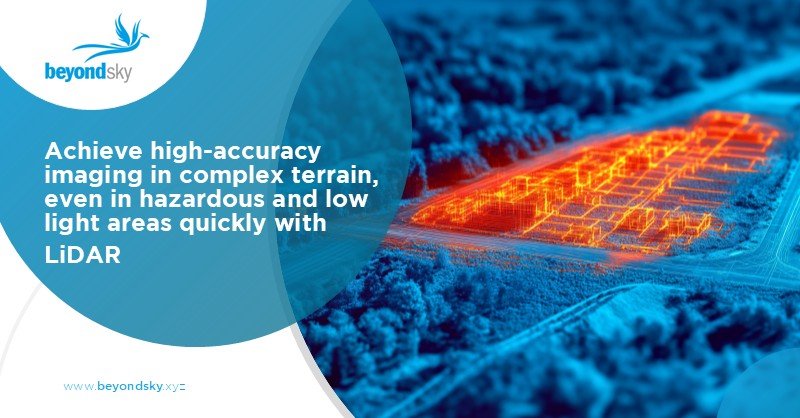
- Sensor Fusion Capabilities: Modern drones use optical, infrared, LiDAR Drones, and GPS. Digital twins pull all these streams together, giving operators a complete real-time look at asset health and performance.
- Cloud-Based Data Processing: Processing huge volumes of drone-collected data is tough. Cloud solutions let digital twins scale easily, make sense of vast datasets quickly, and share insights across global teams anytime.
- Compatibility with Existing Systems: Digital twin platforms plug right into BIM, SCADA, and ERP systems. This means organizations can keep using their legacy tools while adding next-generation insights from drones.
- Cybersecurity Measures: Protecting sensitive asset data from cyber threats is a must. With secure cloud protocols, encrypted data transfers, and compliance with global standards, digital twins on drones keep your information safe.
- IoT-Ready Frameworks: Drones with digital twins are IoT devices on wings. Their real-time feeds connect into broad industrial ecosystems, supporting asset monitoring, operations optimization, and predictive insights from a distance.
Beyond Sky recommends TwinARC Digital Twin services
With Beyond Sky, TwinARC is making digital twins more practical and powerful. It combines CAUSALITY with drone-collected data, simulations, causal graphs and analytics, and flexible integration options, supporting gradual deployment and easy scaling. TwinARC – a complete digital twinning paradigm - offers predictive maintenance, failure analysis, and root-cause scenario planning, making daily operations smoother and smarter.
Industry-Specific Solutions
Let’s examine the unique challenges of different sectors and how tailored digital twin drone solutions are addressing them.
- Construction: Firms use drones and digital twins to match as-built documentation with plans. Early detection of deviations keeps projects on track and machinery running smoothly. Major players, like Bentley, have shown the impact of digital twins in managing complex construction projects with real-time coordination.
- Energy: Energy providers monitor solar farms, wind turbines, and grids via drone and twin platforms. Siemens, for example, uses predictive models to catch faults before outages hit, boosting uptime and power delivery.
- Agriculture: John Deere and other leaders use drone and twin models to improve planting, pest management, and yield predictions. Multispectral sensors create accurate simulations of field conditions for smarter farming.
- Transportation Infrastructure: Transport networks are safer with digital twins. Roads, bridges, and rail are checked from the air for subsidence and surface cracks, while predictive warnings prevent accidents and keep traffic moving.
- Manufacturing: Factories deploy digital twins for production lines and equipment, reducing downtime and increasing consistency. Drones map facility layouts and track machine efficiency in real-time.
- Emergency Response: During disasters, drone data creates live digital twins for rescue teams. Collapsed buildings and impassable roads are mapped instantly, letting professionals plan safe rescue missions and avoid risks.
- Smart Cities: Urban planners convert drone data into digital twins to model traffic, monitor air quality, and forecast infrastructure needs. These simulations enable better planning, more sustainable growth, and efficient public service delivery.
TwinARC Digital Twin Software Available at Beyond Sky
TwinARC stands out by combining routine digital twin functions with powerful causal analysis capabilities. This makes it more than just a monitoring tool—it becomes a decision support system that helps businesses reduce unplanned downtime, optimize performance, and extend asset life. With TwinARC, companies can make informed, data-driven decisions based on real-time insights and advanced predictive models.
How It Enhances Drone Applications
When paired with drones, TwinARC amplifies the power of aerial data collection. Drones capture high-resolution images, thermal scans, and LiDAR data. TwinARC then integrates these inputs into a centralized digital twin model. This enables:
- Remote infrastructure monitoring
- Predictive maintenance based on real-time data
- Simulation of various what-if scenarios
- Improved situational awareness during critical operations
By offering TwinARC, Beyond Sky empowers customers to fully unlock the potential of digital twin technology, combining it with drone innovations to drive smarter and safer operations.
Conclusion
Digital twin technology in drones is a powerful combination. It changes how industries manage assets by providing real-time, accurate, and actionable data. From predicting maintenance needs to enhancing safety and improving decision-making, this technology helps companies work smarter.
As digital twin service providers like TwinARC continue to advance, industries will gain more tools to optimize their operations. The fusion of drones and digital twins brings the future of remote asset management into the present, making it easier, safer, and more cost-effective to monitor and manage the world.
FAQs
1. What is digital twin technology and why is it important for drones?
Digital twin technology creates a live, virtual copy of physical assets by using real-time data from drones. This helps drone operators monitor and manage infrastructure remotely, improving safety, maintenance, and efficiency in drone operations.
2. How do drones enhance the accuracy of digital twins?
Drones collect precise data using cameras, thermal sensors, LiDAR, and GPS. This detailed and real-time information feeds digital twins, keeping virtual models up-to-date and enabling better decision-making for asset management.
3. What are the main benefits of combining digital twins with drone technology?
This combination allows for safer remote inspections, early detection of issues through predictive maintenance, clear 3D visualizations for teams, faster decision-making, and cost savings by reducing downtime and avoiding risky site visits.
4. Which sectors in the drone industry benefit most from digital twin technology?
Construction, energy, agriculture, transportation, manufacturing, emergency response, and smart city planning all gain from digital twins. These sectors use drone data to improve asset health, ensure regulatory compliance, and increase operational productivity.
5. How does TwinARC software improve digital twin applications for drones?
TwinARC integrates drone data with advanced analytics to predict maintenance needs, analyze failures, and simulate scenarios. This helps drone operators make smarter, data-driven decisions to keep assets running safely and efficiently.
6. What technologies make drone-based digital twins effective?
Key technologies include sensor fusion (combining optical, thermal, LiDAR, and GPS data), cloud and hybrid data processing, secure IoT connectivity, strong cybersecurity measures, and easy integration with existing enterprise software.
7. How do digital twins help with regulatory compliance in drone operations?
Digital twins keep organized records of drone inspections, repairs, and maintenance activities. These detailed logs simplify the audit process, help meet regulatory standards, and reduce risks in regulated drone operations.


 English